Austrian Ecolabel – view certification
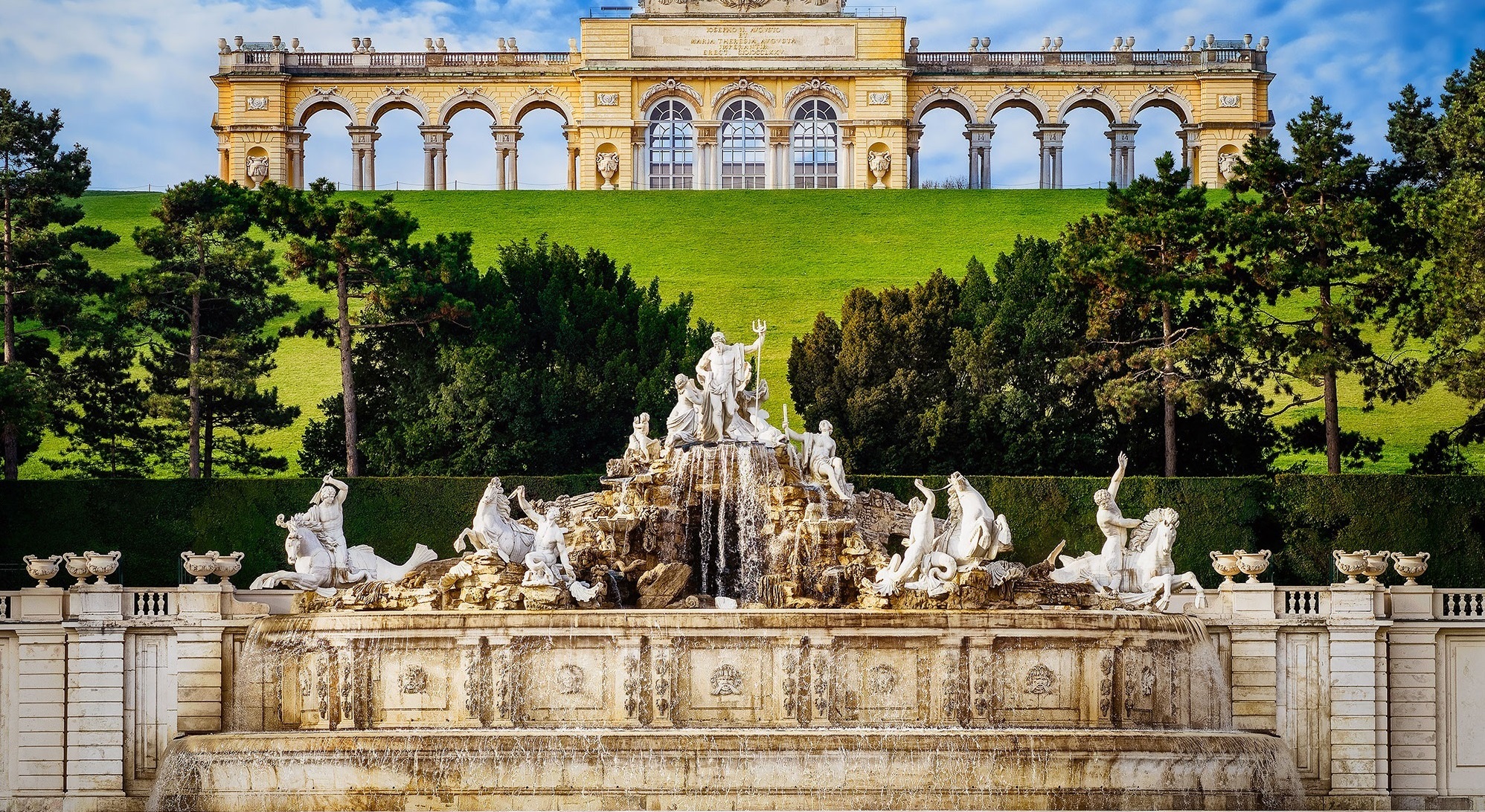
Neptune Fountain and park at Schönbrunn Palace in Vienna

SWS Vienna GREEN & ART 2026

Preliminary Programme

2–5 December 2026 · Schönbrunn Palace, Vienna
Photo: Simon Matzinger · CC BY-SA 3.0

Preliminary Programme

Version 18 ·

Off-site Session

· Optional museum visit

Vienna GREEN & Vienna ART

A final day of discovery

Vienna beyond the conference halls

After three days of research, discussion and new connections at Schönbrunn Palace, our fourth day takes the spirit of the conference into the city itself. Vienna’s museums offer remarkable settings in which to keep asking questions — about the natural world, artistic imagination, cultural memory and the people whose ideas continue to shape our lives.

For this Off-site Session, choose a visit to one of four museums: the Kunsthistorisches Museum, the Naturhistorisches Museum, Mozarthaus Vienna or the Sisi Museum. Each offers a different perspective on Vienna and a memorable way to conclude our time together.

Four perspectives. One city. Choose the visit that speaks to your curiosity.

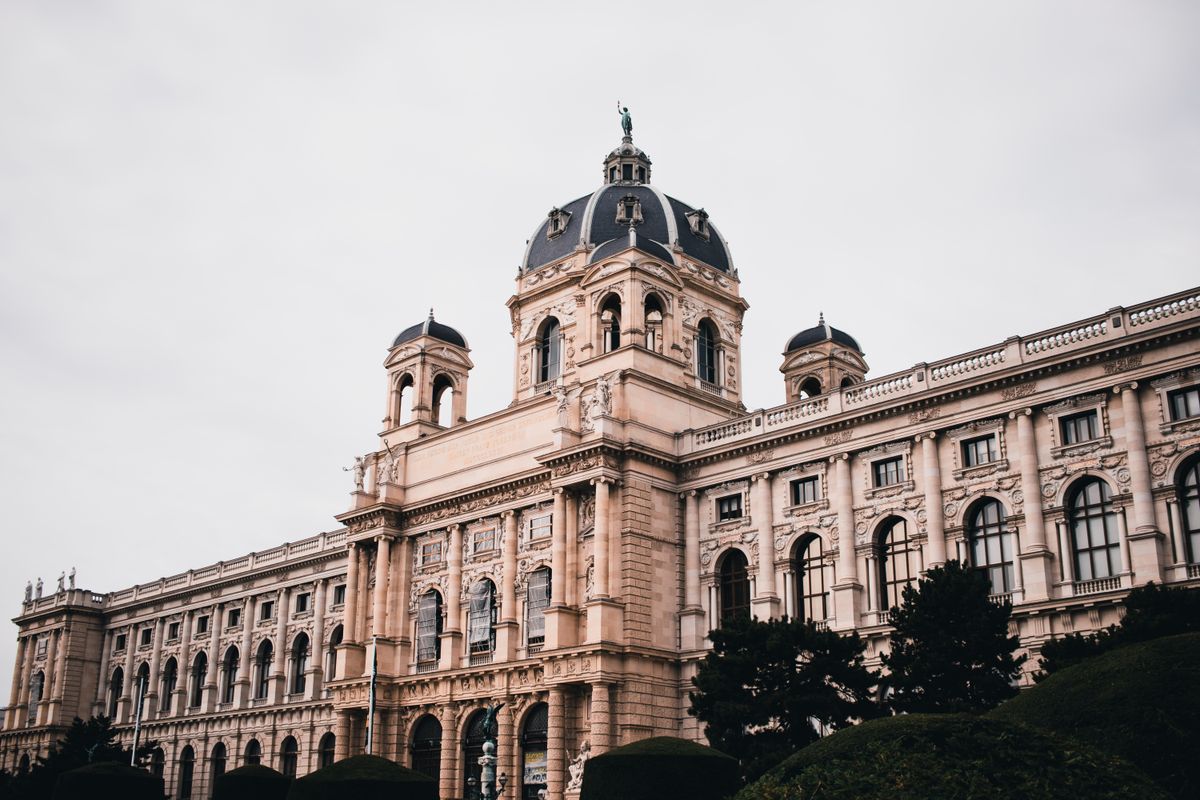
The domed facade of the Kunsthistorisches Museum in Vienna
Kunsthistorisches Museum, ViennaPhoto: Ozan Tabakoğlu / Pexels (opens in a new window)

Art & cultural heritage

Kunsthistorisches Museum

A conversation with the great masters

Step into a world in which a single painting can open a conversation across centuries. The Kunsthistorisches Museum brings together the Habsburg collections and some of the most celebrated works in European art. Its Picture Gallery includes paintings by Dürer, Raphael, Titian, Rubens, Velázquez, Rembrandt and Vermeer, alongside an exceptional collection of works by Pieter Bruegel the Elder.

The experience extends beyond painting. In the Kunstkammer, objects of extraordinary craftsmanship reveal the meeting of artistic invention, technical skill and the desire to understand and represent the world. Among its best-known treasures is Benvenuto Cellini’s Saliera.

For our GREEN and ART community, this is an invitation to look closely: at landscapes, human relationships, materials and the ways different generations have imagined their place in the world.
ExploreOld Masters · Bruegel · The Kunstkammer
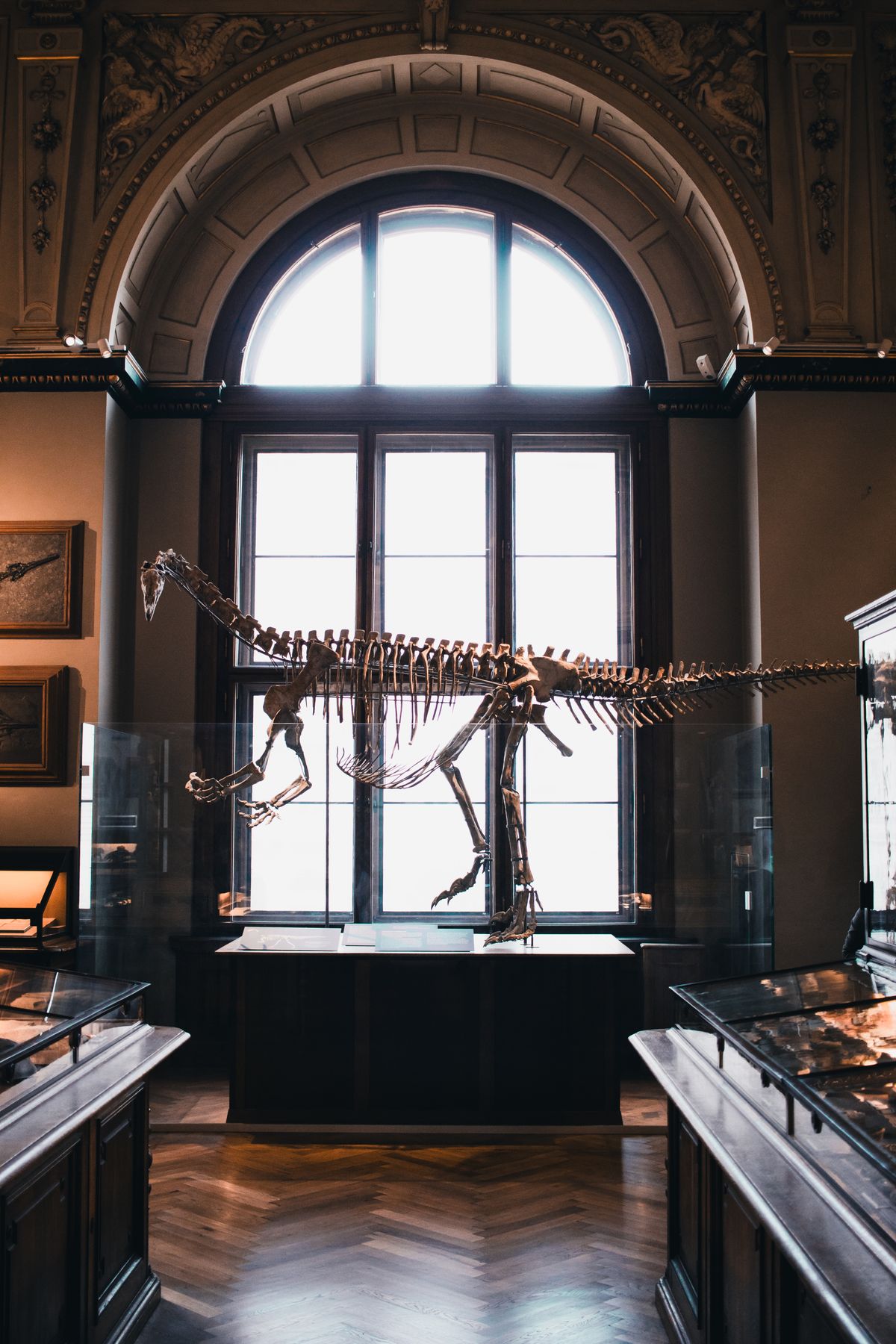
A dinosaur skeleton on display inside Vienna’s Naturhistorisches Museum
Inside the Naturhistorisches Museum, ViennaPhoto: Ozan Tabakoğlu / Pexels (opens in a new window)

Nature & scientific discovery

Naturhistorisches Museum

From the origins of our planet to the diversity of life

At the Naturhistorisches Museum, the scale of discovery changes with every gallery: from the smallest mineral structures to the immense timescales of Earth’s history. Fossils, dinosaur skeletons, meteorites and the diversity of the living world bring the questions of the natural sciences into vivid focus.

The museum’s highlights include its renowned meteorite collection and the Venus of Willendorf, a prehistoric figure around 29,500 years old. Together, the collections connect the story of our planet with the story of humanity — how life has evolved, how environments have changed and how we piece together evidence of the distant past.

This visit offers a natural continuation of the scientific conversations at Vienna GREEN, while opening equally rich perspectives for colleagues interested in archaeology, anthropology and the relationship between people and nature. It is a place to pause, observe and rediscover the wonder behind scientific enquiry.

ExploreEarth history · Meteorites · Human origins
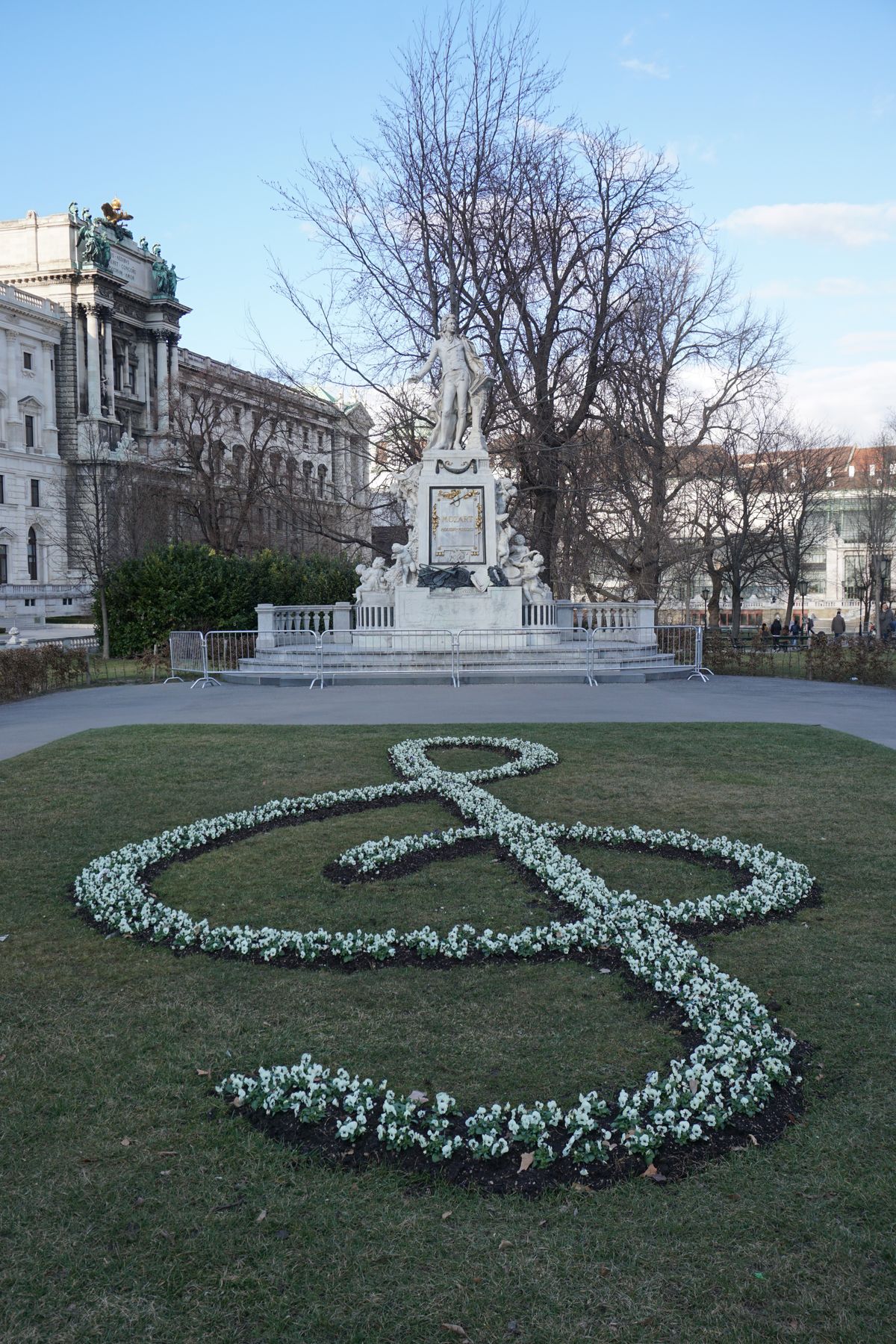
The marble monument to Wolfgang Amadeus Mozart in Vienna’s Burggarten
Wolfgang Amadeus Mozart — monument in Vienna’s BurggartenPhoto: Mustafa Gökhan Ertin / Pexels (opens in a new window)

Music & creative life

Mozarthaus Vienna

Inside Mozart’s Vienna — and his only surviving Viennese apartment

A short distance from St. Stephen’s Cathedral, Domgasse 5 preserves an unusually intimate connection with one of the world’s great composers. Mozart lived and worked here from 1784 to 1787. It is the only one of his Viennese apartments to have survived, and it was here that he composed Le nozze di Figaro and other major works.

The museum places the apartment within a wider portrait of Mozart’s years in Vienna: his music, his collaborators, his social world and the intellectual life of the city. Historical documents and displays invite visitors to move beyond the familiar image of the composer and consider the everyday circumstances in which exceptional work takes shape.

For participants drawn to music, cultural history and creative practice, this is a chance to explore how a particular place and moment can nourish ideas whose influence travels far beyond them.

ExploreMozart’s apartment · Figaro · Vienna’s musical life
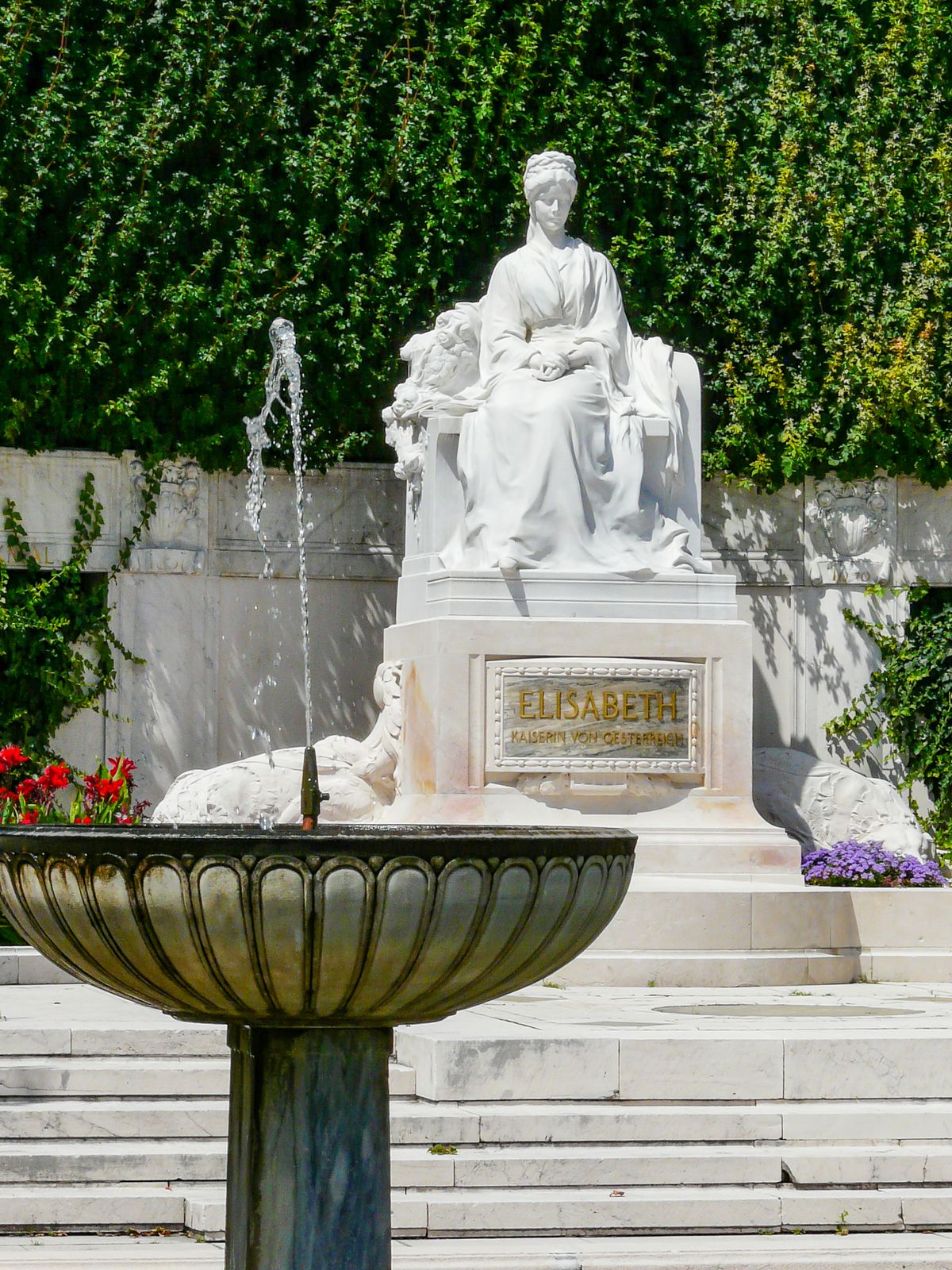
The seated marble statue of Empress Elisabeth, known as Sisi, in Vienna’s Volksgarten
Empress Elisabeth (Sisi) — monument in Vienna’s VolksgartenPhoto: Emilio Sánchez Hernández / Pexels (opens in a new window)

History & personal stories

Sisi Museum

The person behind the imperial image

In the Vienna Hofburg, the Sisi Museum invites visitors to look beyond the enduring image of Empress Elisabeth and discover a more personal story. Objects once belonging to the empress — including clothing, accessories, travel belongings and riding equipment — offer glimpses of her interests, daily routines and search for independence within the imperial world.

The neighbouring Imperial Apartments add another dimension to this encounter. The rooms of Emperor Franz Joseph and Empress Elisabeth reveal the private and official settings of court life, from the emperor’s study to the empress’s dressing and exercise room. The Hofburg itself was the Habsburgs’ residence for more than six centuries.

Following the conference at Schönbrunn, this visit offers a different perspective on Vienna’s imperial heritage: through the relationship between public roles and private lives, historical evidence and the stories that societies continue to tell.

ExploreEmpress Elisabeth · Imperial Apartments · The Hofburg

Let the conversation continue

Whether your final day leads you towards a Bruegel landscape, the history of our planet, Mozart’s creative world or a more personal encounter with Vienna’s imperial past, we invite you to carry the curiosity of the conference with you. These optional visits bring our GREEN and ART communities into the city’s cultural life — a fitting conclusion to four days of shared discovery in Vienna.

Museum and collection information is based on the institutions’ official websites, linked above.

International Indexing & Global Visibility of Our Scientific Publications

SGEM scientific publications gain international visibility through a broad network of scholarly indexing and abstracting databases, citation-tracking services, research discovery platforms, and academic repositories.

Depending on the platform, our publications may be accessible as indexed bibliographic records, abstracts, citation data, DOI-linked metadata, or full-text scientific papers. Coverage and availability vary across platforms and publication years.

Scopus

Scopus Scientific Database

Compendex

Engineering abstracts
& indexing

Clarivate Databases

Scientific Databases

EBSCO

EBSCO
Science Services Database

OpenAIRE

Linked research discovery
& metadata

ProQuest

Scientific Databases
Part of Clarivate

Ulrichsweb

Global serials directory
Part of Clarivate

Crossref

We are a voting CrossRef member - the official DOI provider

Dimensions

Research discovery, citations
& metadata

ScienceOpen

Research discovery
& metadata

HAL

Multidisciplinary archive
& metadata

Petroleum Abstracts

Scientific Database
Part of Clarivate

Google Scholar

Google Scholar
Scholarly Search

Scilit

Scientific literature discovery
& metadata

RSCI

Russian Science Citation Index
Part of Web of Science

OpenAlex

Open research index
& metadata

Mendeley

Scientific Databases
Part of Elsevier

GeoRef

GeoRef — AGI
Geoscience Bibliographic Database